
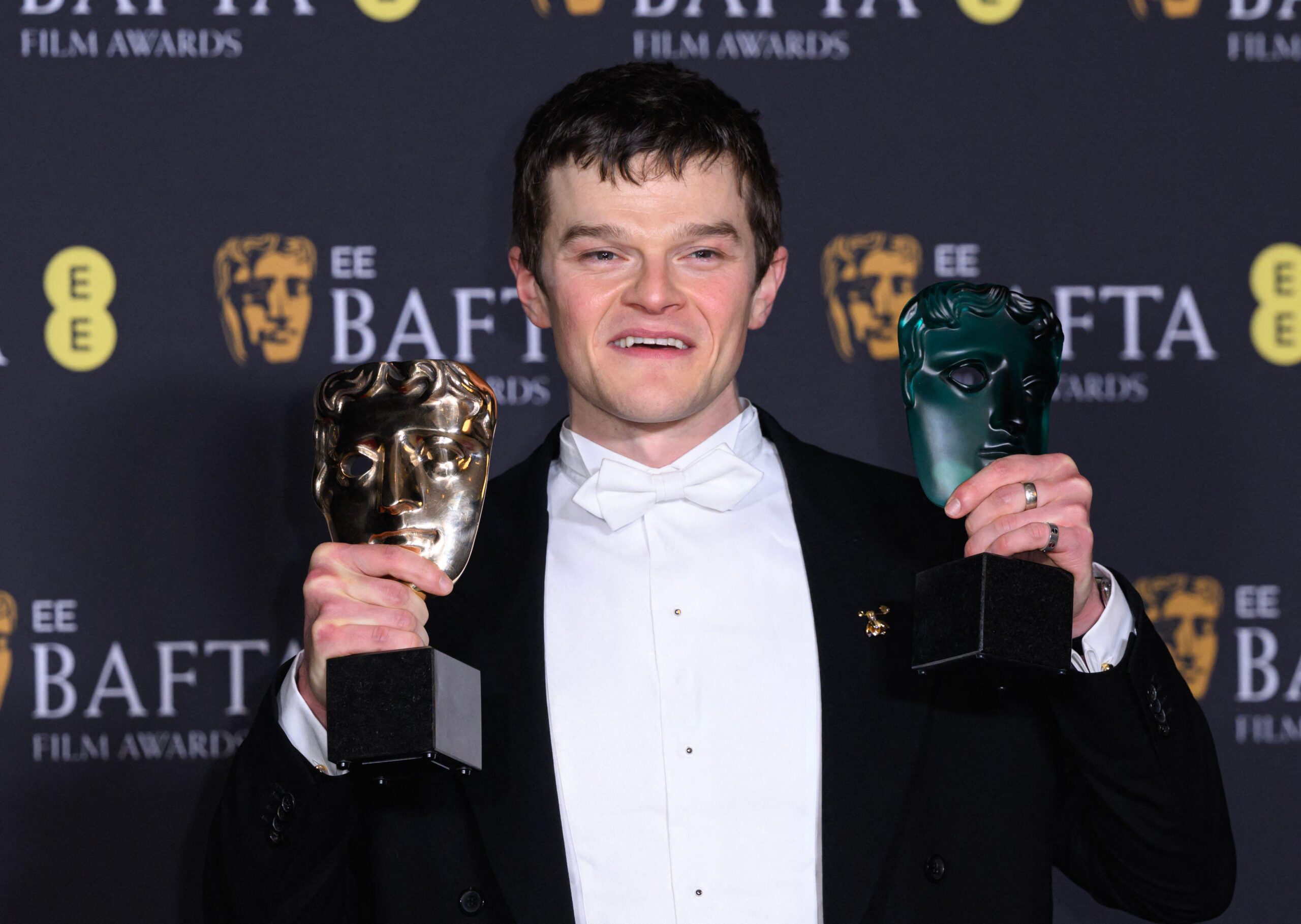
The BAFTA Craft Awards have long served as the unsung engine room of British television and film—honouring the artisans, technicians, and creatives whose invisible hands shape what we see on screen. This year, the ceremony wasn’t just about technical mastery; it was a cultural moment. Adolescence, Netflix’s searing drama about teenage identity, trauma, and resilience, extended its dominance by claiming two major awards. Meanwhile, Celebrity Traitors surprised critics and audiences alike with a quiet but impactful presence, proving that reality formats can deliver craft excellence too.
The wins for Adolescence were not flukes. They were the culmination of meticulous storytelling, immersive cinematography, and a sound design that doesn’t just support the narrative—it bleeds into it. As streaming competition intensifies, it’s shows like this that remind the industry what sustained quality looks like.
Why Adolescence Won—And Deserved To
Adolescence took home the awards for Best Editing: Drama and Best Sound Design: Fiction, two categories that often go unnoticed by casual viewers but are vital to a show’s emotional rhythm. The editing team, led by Sarah Kengman, broke conventional pacing rules—using abrupt cuts during moments of emotional rupture to mirror the protagonist’s fractured mental state. In episode four, a 90-second sequence depicting a panic attack uses 37 cuts, each one tightening the vise of anxiety without a single word of dialogue.
That same episode’s soundscape—layering distant school bells, muffled voices, and uneven breathing—earned Adolescence its second gong. Sound designer Tomás Rivas described the approach as “sonic vertigo,” where ambient noise becomes weaponized. “We wanted the audience to feel unsteady,” he said in a post-ceremony interview. “If you’re not slightly disoriented, we didn’t do our job.”
These weren’t just technical wins. They were narrative validations. In an era where many dramas rely on shock value or twist-driven plots, Adolescence succeeded by mastering subtlety—crafting tension through silence, stillness, and the spaces between words.
The Craft Behind the Chaos: How Editing Shaped Adolescence
Editing in television is often mistaken for mere assembly. In Adolescence, it was orchestration.
Consider the season finale, where protagonist Jamie confronts his estranged father. The script called for a five-minute dialogue scene, but Kengman’s edit trimmed it to three—using reaction shots of background characters, shifts in focus, and a single breaking teacup to convey decades of unresolved conflict. The result was praised by critics as “a masterclass in emotional compression.”
Common mistakes in drama editing—over-cutting, inconsistent pacing, or prioritizing style over substance—were conspicuously absent. Instead, the edit team followed a strict rule: every cut must change emotional temperature. No filler. No transitions for the sake of rhythm. Just purpose.
This discipline paid off. The BAFTA judges noted that the show “redefined the grammar of teen drama,” moving past clichéd montages and voiceovers into something more visceral and authentic.
“Television editing should serve the truth of the moment, not manipulate it. Adolescence didn’t tell us how to feel. It made us feel.” — BAFTA Craft Jury Member, Anonymous
Sound Design as Narrative Engine: The Unseen Character
While visuals grab attention, sound in Adolescence functioned like a silent antagonist.
In episode six, a seemingly mundane school cafeteria scene becomes unbearable due to layered audio: overlapping chatter, metallic tray clangs, and a high-pitched refrigerator hum—each amplified to simulate sensory overload. This wasn’t exaggerated for effect; it was clinically accurate, developed in consultation with neurodivergent consultants.
The team used binaural recording techniques to create 3D audio effects, especially in scenes depicting dissociation. When Jamie zones out during a therapy session, the dialogue distorts, pulling the viewer into his headspace. This technique, while not new, was executed with rare precision.
Reality and fiction often blur in sound design. But Adolescence showed how intentional audio can deepen realism, not distort it. The win in Best Sound Design: Fiction wasn’t just about quality—it was about intentionality.
Celebrity Traitors: The Dark Horse of Craft Excellence
While Adolescence dominated headlines, Celebrity Traitors quietly earned its own spotlight—nominated in Best Production Design: Reality and Best Lighting: Entertainment.
On the surface, a reality show about famous contestants betraying each other doesn’t scream “craft innovation.” But production designer Lila Chen transformed the Scottish castle set into a psychological playground—using shifting lighting, asymmetrical architecture, and deliberate decay to reflect the show’s themes of deception and paranoia.
The lighting team, led by Marcus Doyle, worked in tandem with the edit team to signal betrayal through subtle cues: dimming lights during confessionals, using cold blue tones when a traitor was speaking, and warming the palette only during moments of genuine connection. These weren’t just aesthetic choices—they were narrative signposts.
“We treated Celebrity Traitors like a thriller,” Doyle said. “Every light, every shadow, had to ask: Who can you trust?”
The show didn’t win, but its nominations mark a shift in how BAFTA views reality programming. No longer dismissed as “fluff,” well-crafted reality formats are now seen as legitimate spaces for technical artistry.
Why Craft Awards Matter More Than Ever
In a content-saturated market, craft is the differentiator.
Streaming platforms now release dozens of shows monthly, many indistinguishable from one another. What separates Adolescence isn’t just its story—it’s how that story is told. The BAFTA Craft Awards spotlight the decisions that go unnoticed: the texture of a jacket in a period drama, the foley of footsteps on gravel, the color grading that shifts mood without altering a word.
Shows that invest in craft don’t just win awards—they build legacy. Adolescence is already being studied in film schools for its editing and sound techniques. Its success proves that audiences respond to intentionality, even when they can’t articulate why.
Meanwhile, the recognition of Celebrity Traitors suggests a broader cultural shift: that excellence isn’t genre-bound. A reality show can be as meticulously crafted as a prestige drama.
The Bigger Picture: What
These Wins Signal for Streaming

Netflix’s double win reinforces its position not just as a volume player, but as a quality leader. While competitors chase trends, Netflix continues to back shows with long-term creative vision.
But there’s a warning embedded here too. Many streaming dramas now follow a formula: moody lighting, slow zooms, minimalist scores. Adolescence stood out because it used those tools with purpose—not as aesthetic defaults.
Other platforms would do well to note: craft isn’t about hiring the best editors or sound designers. It’s about giving them creative agency. Adolescence’s team was involved from pre-production, shaping the show’s visual and auditory language before a single scene was shot. That level of integration is rare—and it shows.
What’s Next for Adolescence?
With two BAFTA Craft Awards under its belt, season three is already in development. Early reports suggest a time jump, exploring the long-term effects of trauma into early adulthood. If the show maintains its current standard, another awards run seems inevitable.
But more importantly, Adolescence is influencing a new generation of creators. Its approach to editing and sound is being replicated—not copied, but adapted—across indie films and limited series. That’s the true mark of impact: when craft inspires craft.
As for Celebrity Traitors, the production team is lobbying for a narrative spin-off, blending reality mechanics with scripted drama. Whether that pans out remains to be seen, but the ambition is clear: to blur genres while maintaining technical rigor.
Final Takeaway: Craft Is the New Content
In 2026, the BAFTA Craft Awards didn’t just reward excellence—they redefined it. Adolescence proved that technical mastery can elevate storytelling to art. Celebrity Traitors showed that even in the most commercial formats, craft can thrive when given room to breathe.
For creators, the message is clear: invest in the invisible. Your audience may not notice the edit points or sound layers, but they’ll feel their impact. And when the industry takes notice, as it did this year, those details become legacy.
Build shows with intention. Honor the artisans. Let craft lead.
FAQ
Did Adolescence win any other BAFTA categories? No—its 2026 wins were limited to Best Editing: Drama and Best Sound Design: Fiction. It was nominated in additional categories but did not win.
Is Adolescence based on a true story? While fictional, the series consulted psychologists and youth organizations to ensure accurate portrayals of mental health and adolescent development.
How many episodes are in Adolescence Season 2? Season 2 consists of eight episodes, each ranging from 48 to 56 minutes.
Where was Celebrity Traitors filmed? The show was filmed entirely at Dunraven Castle in Scotland, a 19th-century estate chosen for its gothic architecture and isolated location.
Can sound design really affect how viewers interpret a scene? Absolutely. Sound influences emotional response, pacing, and even perception of time. Poor sound design can ruin strong visuals; strong sound design can elevate mediocre ones.
Why are craft awards separate from main BAFTAs? Craft awards focus exclusively on technical and behind-the-scenes disciplines, allowing specialists to be recognized without competing against performers or directors.
Will Adolescence Season 3 be released on Netflix? Yes—Netflix has confirmed renewal and exclusive streaming rights for all future seasons.
FAQ
What should you look for in BAFTA Craft Awards: Adolescence Dominates with Two Major Wins? Focus on relevance, practical value, and how well the solution matches real user intent.
Is BAFTA Craft Awards: Adolescence Dominates with Two Major Wins suitable for beginners? That depends on the workflow, but a clear step-by-step approach usually makes it easier to start.
How do you compare options around BAFTA Craft Awards: Adolescence Dominates with Two Major Wins? Compare features, trust signals, limitations, pricing, and ease of implementation.
What mistakes should you avoid? Avoid generic choices, weak validation, and decisions based only on marketing claims.
What is the next best step? Shortlist the most relevant options, validate them quickly, and refine from real-world results.



:max_bytes(150000):strip_icc():focal(728x275:730x277)/princess-catherine-prince-william-donald-trump-king-charles-iii-trump-state-visit-uk-windsor-091725-8672599a27214b6f8ffdbb07fd7596e4.jpg)
