
The sudden confirmation of Russia’s Africa Corps withdrawal from Kidal, Mali, marks a pivotal shift in the Sahel’s fragile security landscape. This move follows a surge in coordinated attacks across northern Mali, challenging both Malian military forces and their foreign partners. While officials remain tight-lipped, the retreat signals deeper operational setbacks and mounting pressure on Moscow’s expanding footprint in Africa.
Kidal, a historically rebellious region and longtime flashpoint for Tuareg separatist movements, had been under intermittent control of the Malian state since 2013. The arrival of Russian-linked forces—widely attributed to the Africa Corps, believed to be an offshoot or rebranded presence of Wagner Group operatives—was initially framed as a stabilizing force. Instead, their tenure has been marked by escalating violence, civilian backlash, and international scrutiny.
Now, their confirmed exit raises urgent questions: What triggered the pullout? Who controls Kidal today? And how will this affect the broader trajectory of conflict in Mali and across the Sahel?
Escalating Mali Attacks Preceded the Retreat
The decision to withdraw did not occur in isolation. Over the past three months, Kidal and surrounding regions have endured a wave of insurgent attacks, primarily attributed to jihadist coalitions including Jama’at Nusrat al-Islam wal-Muslimin (JNIM) and Islamic State in the Greater Sahara (ISGS). These groups have exploited shifting alliances and security vacuums.
Key incidents leading up to the withdrawal:
- February assault on Malian army outpost in Tin-Zaouatene, near the Algerian border, killed over 20 soldiers. The post was reportedly supported by Russian forces, who failed to intervene swiftly.
- March drone strike on Kidal base, believed to be housing foreign personnel. Satellite imagery later showed damaged infrastructure and abandoned vehicles.
- Coordinated raids across the Ménaka and Gao regions, stretching Malian military resources and undermining claims of territorial control.
These attacks exposed vulnerabilities in the joint Malian-Russian defense model. Local sources report that Russian forces, while heavily armed, were reluctant to conduct forward patrols or engage in high-risk counterinsurgency—leaving Malian troops exposed.
“They trained us, guarded the base, but when the real fighting started, they pulled back fast,” said a Malian sergeant who spoke on condition of anonymity. “Now the enemy knows that too.”
Who Is Russia’s Africa Corps?
Russia’s Africa Corps is not officially recognized by the Kremlin. However, multiple intelligence reports, UN findings, and satellite data point to its emergence as a formalized structure succeeding the Wagner Group after Yevgeny Prigozhin’s death in 2023.
Unlike the decentralized, profit-driven Wagner model, the Africa Corps appears more integrated into Russian military intelligence (GRU) operations. Its mandate includes:
- Securing strategic mineral sites (particularly lithium and uranium)
- Training and advising allied regimes
- Projecting Russian influence in post-French African states
In Mali, the Corps took over from Wagner in late 2022, signing contracts with the Malian junta to assist in counterterrorism. Yet their methods—marked by harsh tactics, alleged human rights abuses, and minimal community engagement—have fueled resentment.
Reports from Human Rights Watch and local NGOs document incidents of extrajudicial killings and arbitrary detentions linked to Russian forces in Kidal. These actions alienated local populations who might otherwise resist jihadist recruitment.
Why Withdraw from Kidal Now?
The official statement from Russia’s Africa Corps cited “strategic redeployment” and “shifting threat priorities.” But behind the diplomatic language, several factors likely drove the decision:
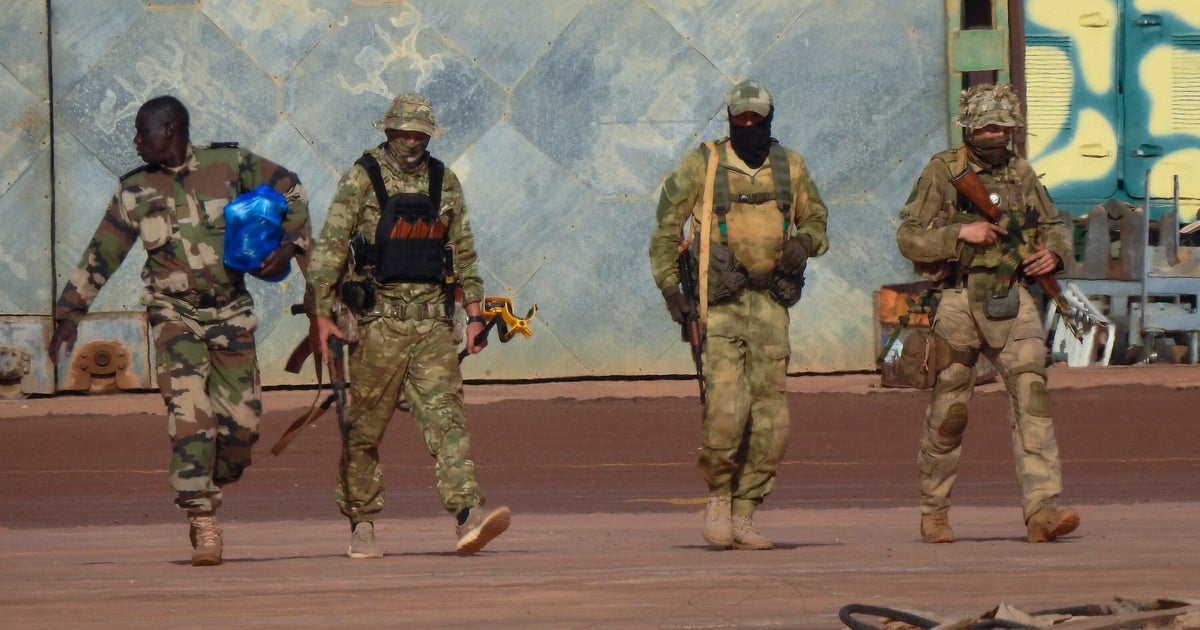
1. Unbearable Operational Risk The terrain in northern Mali is vast, arid, and ideal for guerrilla warfare. Insurgent groups use small, mobile units and drone-assisted attacks to target supply lines and outposts. Russian forces, equipped for conventional warfare, lack the mobility and cultural intelligence to counter such asymmetric tactics effectively.
2. Logistical Strain Kidal is isolated. Resupply routes from Bamako stretch over 1,500 kilometers through hostile zones. The Africa Corps struggled to maintain fuel, food, and medical supplies—especially after JNIM intensified attacks on convoy routes.
3. Political Calculations in Moscow
With ongoing war in Ukraine, Russia may be recalibrating its African commitments. While Africa remains a priority for influence, high-casualty entanglements in remote regions like Kidal offer diminishing returns. A quiet exit preserves deniability and avoids another “Wagner-style” collapse on the global stage.
4. Internal Malian Tensions The Malian military leadership, though reliant on Russian support, has shown signs of friction. Some factions within the junta resent foreign overreach, especially after Russian forces were accused of bypassing chain of command during joint operations.
Power Vacuum and the Risk of Escalation
The withdrawal creates an immediate security gap. While the Malian army claims it has “full control” of Kidal, on-the-ground sources suggest otherwise. In the days following the pullout, JNIM fighters were spotted near the regional capital, and local administration offices remain shuttered.
Historically, Kidal has been a stronghold for the National Movement for the Liberation of Azawad (MNLA), a secular Tuareg nationalist group. With jihadist groups advancing and the state presence weakened, a resurgence of separatist activity is likely.
Potential outcomes:
- Jihadist consolidation: ISGS and JNIM could establish semi-permanent control, using Kidal as a base to launch attacks into Niger and Algeria.
- Ethnic militia uprisings: Tuareg and Arab communities, long marginalized by Bamako, may form self-defense forces—risking intercommunal violence.
- Regional spillover: Neighboring countries, particularly Niger and Burkina Faso, already grappling with their own insurgencies, could see cross-border raids increase.
France, which withdrew its forces from Mali in 2022, has expressed concern. “The departure of any stabilizing force without a sustainable replacement creates danger,” said a French defense official, speaking off the record.
Geopolitical Repercussions Across the Sahel
Mali’s drift toward Russia was part of a broader regional realignment. Since 2020, military juntas in Mali, Burkina Faso, and Niger have cut ties with former colonial power France and opened doors to Russian security partnerships.
But the Kidal withdrawal may undermine Moscow’s credibility.
Other African governments watching this development include:
- Niger: Still under military rule, Niger has allowed Russian advisors but remains cautious about deep commitments.
- Central African Republic (CAR): A long-time Wagner partner, CAR may now question the reliability of Russian forces in remote conflict zones.
- Sudan and Libya: Where Russian paramilitaries operate under opaque arrangements, the Mali pullout could trigger internal reassessments.
China, meanwhile, is monitoring closely. While Beijing avoids direct military involvement, it has significant economic interests in Sahelian minerals. A destabilized Mali threatens infrastructure projects and supply chains.
What’s Next for Mali’s Security Strategy?
The Malian junta faces a tough road ahead. It cannot rely indefinitely on foreign mercenaries, especially as their effectiveness wanes. Yet its own military remains underfunded, poorly trained, and demoralized after years of attrition.
Possible paths forward:
- Regional cooperation: Re-engaging with ECOWAS or the G5 Sahel joint force, despite past tensions.
- Community-based defense: Empowering local militias with oversight—a risky move, given potential for abuse.
- Diplomatic outreach: Exploring limited security partnerships with Turkey, India, or non-Western actors who offer training without political strings.
One thing is clear: counterinsurgency cannot be outsourced to foreign mercenaries if there is no accompanying political strategy. Kidal’s instability stems not just from terrorism, but from decades of governance neglect, ethnic marginalization, and economic exclusion.
Without addressing root causes, any military solution—even one backed by Russian firepower—is temporary.
A Symbolic Blow to Russia’s African Ambitions
The retreat from Kidal is more than a tactical withdrawal—it’s a symbolic setback. Russia positioned itself as the pragmatic alternative to Western intervention, promising swift results without lectures on human rights or democracy.
But in Kidal, that promise unraveled.
The Africa Corps failed to secure the region, protect allies, or win local support. Worse, their presence may have exacerbated tensions, making long-term stability harder to achieve.
This does not mean Russia is leaving Africa. Far from it. But the model of deploying lightly accountable paramilitary forces into complex insurgencies is showing cracks. The Mali experience suggests that influence built on coercion and opacity is fragile when tested by persistent local resistance.
As one regional analyst put it: “You can occupy a town with mercenaries, but you can’t govern a desert.”
Conclusion: Power Shifts in the Sahel Demand New Thinking
The confirmation of Russia’s Africa Corps withdrawal from Kidal is a turning point. It reflects not just a change in military posture, but a broader recalibration of power in the Sahel.
Mali’s leaders must now confront a stark reality: security cannot be imported. Lasting stability requires inclusive governance, community trust, and regional coordination—not just foreign firepower.
For the international community, the lesson is equally urgent. Disengagement leaves vacuums. But so does intervention without accountability. The future of the Sahel will be shaped not by who deploys the most troops, but by who understands the terrain—both physical and political.
Actionable takeaway: Policymakers and security analysts should prioritize intelligence sharing, support legitimate local governance, and avoid overreliance on external military actors. The fall of Kidal to insurgent pressure—after foreign-backed occupation—should serve as a cautionary case study in modern conflict.
FAQ
Why did Russia’s Africa Corps leave Kidal? Escalating attacks, logistical challenges, operational risks, and shifting strategic priorities in Moscow contributed to the withdrawal.
Who controls Kidal now? The Malian army claims control, but on-the-ground presence is limited. Jihadist and separatist groups are actively contesting the region.
Is the Africa Corps the same as Wagner? It is widely seen as a successor or rebranded extension of Wagner, now under tighter Russian military intelligence oversight.
How will this affect neighboring countries? Increased risk of cross-border attacks and regional instability, particularly in Niger and Burkina Faso.
Did Russian forces help or hurt Mali’s security? Short-term battlefield gains were offset by long-term damage, including human rights abuses and loss of civilian trust.
Could France return to Mali? Unlikely in the near term, given political hostility from the Malian junta and public opposition in France.
What’s the best path forward for Mali’s security? A mix of community-based defense, regional cooperation, and political inclusion—reducing reliance on foreign mercenaries.
FAQ
What should you look for in Russia’s Africa Corps Withdraws from Kidal Amid Mali Attacks? Focus on relevance, practical value, and how well the solution matches real user intent.
Is Russia’s Africa Corps Withdraws from Kidal Amid Mali Attacks suitable for beginners? That depends on the workflow, but a clear step-by-step approach usually makes it easier to start.
How do you compare options around Russia’s Africa Corps Withdraws from Kidal Amid Mali Attacks? Compare features, trust signals, limitations, pricing, and ease of implementation.
What mistakes should you avoid? Avoid generic choices, weak validation, and decisions based only on marketing claims.
What is the next best step? Shortlist the most relevant options, validate them quickly, and refine from real-world results.


:max_bytes(150000):strip_icc():focal(728x275:730x277)/princess-catherine-prince-william-donald-trump-king-charles-iii-trump-state-visit-uk-windsor-091725-8672599a27214b6f8ffdbb07fd7596e4.jpg)

